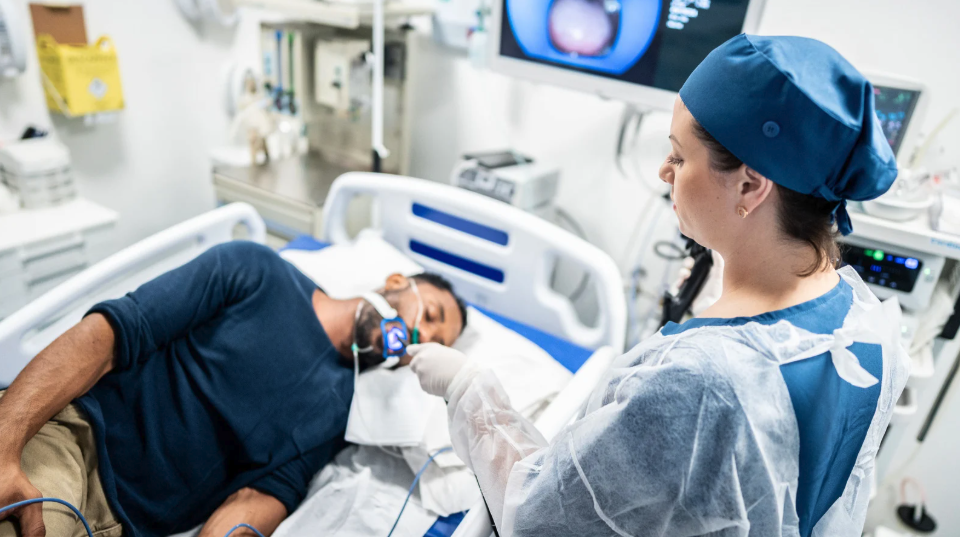
An upper endoscopy, also known as an EGD, is a standard and safe procedure used to examine the lining of your esophagus, stomach, and the first part of your small intestine. While it is a routine diagnostic tool, proper preparation is essential for the procedure to be successful and for your doctor to get a clear view. Knowing what to do before your appointment for an upper endoscopy in Baltimore can help ease any concerns and ensure the process goes as smoothly as possible. Following your medical team’s instructions carefully is the most important step you can take.
The Week Before Your Appointment
Preparation begins several days before the procedure itself. During this time, you will need to pay close attention to your medications and make arrangements for the day of your appointment.
Medication Review
It is crucial to discuss all your current medications with your doctor well in advance. You may be instructed to temporarily stop taking certain prescriptions, especially blood thinners like warfarin, clopidogrel, or certain over-the-counter pain relievers like aspirin and ibuprofen. These medications can increase the risk of bleeding during the procedure. Your doctor will provide specific instructions on which medications to stop and when to stop taking them. Do not stop any medication without explicit medical advice.
Logistical Arrangements
Because you will receive sedation for the endoscopy, you will not be able to drive for the rest of the day. You must arrange for a responsible adult to drive you home from the hospital or clinic. It is also wise to plan on taking the entire day off from work and other responsibilities to allow yourself adequate time to rest and recover from the sedative.
The Day Before and the Day of the Procedure
The 24 hours leading up to your endoscopy are the most critical for preparation. The primary goal is to ensure your stomach is completely empty.
Fasting Instructions
Your doctor will give you precise instructions about when to stop eating and drinking. Typically, you will be required to stop eating solid food at least eight hours before your scheduled appointment. You may be allowed to have clear liquids up to a few hours before the procedure, but then you must stop all oral intake. An empty stomach is non-negotiable, as any remaining food or liquid can obstruct the view and lead to an incomplete or canceled examination.
Arriving for Your Appointment
On the day of the procedure, you should arrive at the facility on time, wearing comfortable clothing. After checking in, a nurse will review your medical history, and an IV line will be placed in your arm to administer the sedative. The anesthesiologist or doctor will speak with you to answer any last-minute questions before you are taken to the procedure room.
See also: The Benefits of Installing a Drainage System in Your Yard
After the Procedure Is Complete
Once the endoscopy is finished, you will be moved to a recovery area to rest as the sedation begins to wear off. The recovery process is usually quick and straightforward. It is common to feel a bit groggy or have a mild sore throat after the procedure. You will be monitored by nursing staff until you are awake and stable enough to be discharged. Your doctor will likely speak with you briefly about the initial findings before you go home. Because your throat may be numb from a local anesthetic spray, you will be advised to wait a short time before trying to eat or drink to prevent choking. Knowing the optimal foods to eat after an upper endoscopy can make your recovery more comfortable.
Conclusion
Properly preparing for your medical appointment is a key part of ensuring a safe and effective examination. By carefully following your doctor’s instructions regarding medications, fasting, and logistical arrangements, you help create the ideal conditions for a successful procedure. This diligence allows your medical team to accurately diagnose any issues and recommend the appropriate next steps for your health. Your cooperation in the preparation process is a vital component of your own medical care.