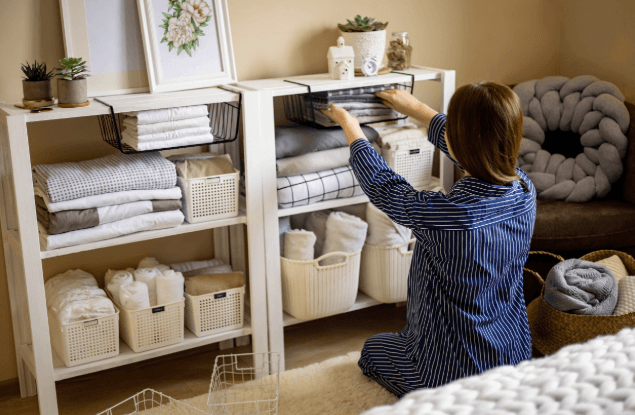
Small, daily habits beat big declutters. A 10-minute daily decluttering session builds momentum without burnout. Clear rules—keep, donate, or bin—guide quick decisions. Proper storage in modular, labeled containers defines zones and simplifies retrieval. Consistent routines and routine resets support progress when life disrupts plans. The result is order that feels manageable, not rigid. A practical approach waits beyond the initial effort, inviting you to test a steady system that respects personal priorities.
Why Small, Daily Habits Beat Big Declutters
Small, daily habits accumulate steadily, yielding lasting organization without the strain of a massive overhaul. The approach emphasizes consistency over grandeur, showing how small habits and daily routines create predictable progress. By anchoring choices to simple cues, the process reduces decision fatigue. This method supports freedom, offering sustainable structure without feeling constrained, while gradually reshaping spaces and mindset.
Quick Decluttering Workflow That Fits a Busy Schedule
A quick decluttering workflow for busy schedules centers on short, focused sessions that deliver tangible results without requiring a full-day commitment.
The method emphasizes minimal time declutter, everyday habit pairing, and quick decision rules, aided by timer based sorting.
Structure supports autonomy, clarity, and momentum, enabling consistent progress.
Results feel liberating, practical, and sustainable amid a demanding routine.
Smart Storage Hacks for High-Use Rooms
Smart storage hacks for high-use rooms focus on maximizing accessibility, durability, and quick maintenance. The approach prioritizes modular, compartmentalized shelving to adapt to changing needs, with clearly defined zones for frequently used items. Label friendly bins promote fast retrieval and organization, reducing search time. This practical system supports independent living, minimal effort, and a sense of freedom through orderly, reliable spaces.
Maintenance Routines to Keep Order Without Burnout
Maintenance routines prevent clutter buildup by balancing consistency with realism. The approach emphasizes simple maintenance practices integrated into daily life, not punitive schedules. By allocating small, predictable tasks, spaces stay orderly without fatigue. Sustainable routines emerge from clear expectations, minimal steps, and forgiving reruns after disruption. This method supports freedom through structure, reducing decision fatigue while preserving room for spontaneity and personal priorities.
Frequently Asked Questions
How Long Does a Full Home Organization Project Typically Take?
A full home organization project typically lasts several weeks to a few months, depending on scope. It outlines a realistic project timeline, clarifies team involvement, and emphasizes resource planning to balance efficiency with personal freedom and long-term maintenance.
Can Kids Contribute Meaningfully to Organizing Efforts?
Kids participation can meaningfully contribute, though impact varies by age. They support family routines, learn responsibility, and foster ownership. Practical roles suit abilities, enabling incremental progress and reinforcing cooperation, while maintaining boundaries and celebrating small, tangible achievements across households.
What’s the Best Budget for Starter Organizing Tools?
A prudent minimum is modest: budget planning suggests starting with essential starter tools only. The best starter toolkit balances quality and cost, enabling progress without excess. Practical, structured choices empower steady organization while preserving personal freedom.
See also: Content Filtering Technologies Explained
How Do I Measure Success Beyond Tidiness?
Measuring success beyond tidiness involves tracking measurable outcomes and establishing long term habits. The approach presents practical, structured steps, offering insights for an audience seeking freedom: define goals, monitor consistency, and assess time saved, stress reductions, and sustainable routines.
Do You Recommend Professional Organizers or DIY Approaches?
Professional organizers offer structured, expert guidance; diy approaches provide flexibility and ownership. The choice depends on scope, budget, and preference for accountability, with a hybrid plan often balancing professional insight and personal autonomy.
Conclusion
Small, daily habits compound into real, lasting order. By reserving 10 minutes for quick decisions—keep, donate, or bin—and investing in modular, labeled storage, clutter stops multiplying. Clear zones and predictable routines reduce decision fatigue, making maintenance feel effortless rather than endless work. When disruptions occur, forgiving reruns keep momentum intact. The result: a calm, functional home that scales with life. This approach isn’t just effective; it’s a revolution in everyday organization.